
React/Next.js Applications
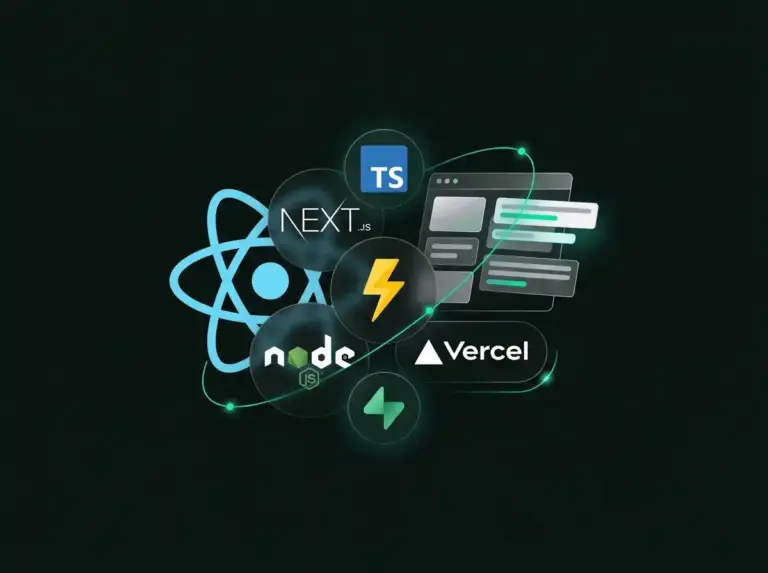
Next.js is my framework of choice when a project outgrows WordPress or starts life as a product: server-side rendering and static generation for instant loads and strong SEO, React for real application interactivity, and one codebase that scales from landing page to full SaaS.
I build with the modern stack — App Router, TypeScript, Prisma, deployment on Vercel or your own infrastructure — and I’ve shipped production Next.js applications, including my own portfolio platform. If you’re weighing WordPress against Next.js, I work daily in both worlds and will tell you which one your project actually needs.
What's Included:
Payment Security
Why Choose My React/Next.js Applications Services?
I deliver exceptional results with a focus on quality, performance, and client satisfaction.
Blazing Fast Performance
Next.js delivers server-side rendering and static generation for sub-second page loads, keeping users engaged and boosting conversions.
SEO Built In
Unlike traditional React SPAs, Next.js renders pages on the server so search engines can fully crawl and index your content from day one.
Scalable Architecture
Component-based React architecture with Next.js conventions ensures your codebase stays maintainable as your application grows.
Full-Stack in One Framework
API routes, middleware, and server actions eliminate the need for a separate backend, reducing complexity and hosting costs.
Steps for completing your project
After purchasing the project, send requirements so I can start the project.
Delivery time starts when I receive requirements from you.
I work on your project following the steps below.
Revisions may occur after the delivery date.
Requirements & Planning
I review your project goals, target audience, and feature requirements to define the architecture, page structure, and technology choices.
UI/UX Implementation
I build responsive, pixel-perfect components using React and Tailwind CSS, ensuring the interface matches your designs across all screen sizes.
Backend & Data Layer
I integrate API routes, database connections, and third-party services, implementing authentication, data validation, and business logic.
Testing & Optimization
I test across browsers and devices, optimize Core Web Vitals, implement caching strategies, and ensure SEO meta tags are properly configured.
Deployment & Handoff
I deploy to Vercel or your preferred hosting, set up CI/CD pipelines, and provide documentation so your team can maintain the project confidently.
Review the work, release payment, and leave feedback.
What if I'm not happy with the work?Frequently Asked Questions
Common questions about this service
Next.js adds server-side rendering, automatic code splitting, and built-in API routes on top of React. This means better SEO, faster page loads, and less infrastructure to manage compared to a standalone React SPA.
Yes, I regularly migrate Create React App and Vite projects to Next.js. The process involves restructuring routes, adapting data fetching patterns, and leveraging server-side rendering where it makes sense.
A simple marketing site or landing page takes 1-2 weeks. A full-featured web application with authentication, database, and admin panel typically takes 4-8 weeks depending on complexity.
Yes, I offer post-launch support packages that include bug fixes, dependency updates, performance monitoring, and feature enhancements. Most clients opt for a monthly retainer for ongoing work.
Rule of thumb: if the site is mostly content that non-developers edit daily, WordPress wins on cost and workflow. If it's an application — dashboards, user accounts, real-time features, complex logic — Next.js wins on architecture. Plenty of projects are best as a hybrid: WordPress as the content backend, Next.js as the frontend. I build all three shapes, so the recommendation follows your project, not my toolbox.
Other Services You May Need
SaaS & MVP Development
Launch your SaaS product or MVP quickly with full-stack development expertise.
API Development (REST/GraphQL)
Robust RESTful and GraphQL APIs for web and mobile applications.
Database Architecture
Efficient database design and optimization for scalable applications.
Ready to Get Started?
Let's discuss your project requirements and create something amazing together.
